Specialist buy-to-let mortgages:
Non-standard construction

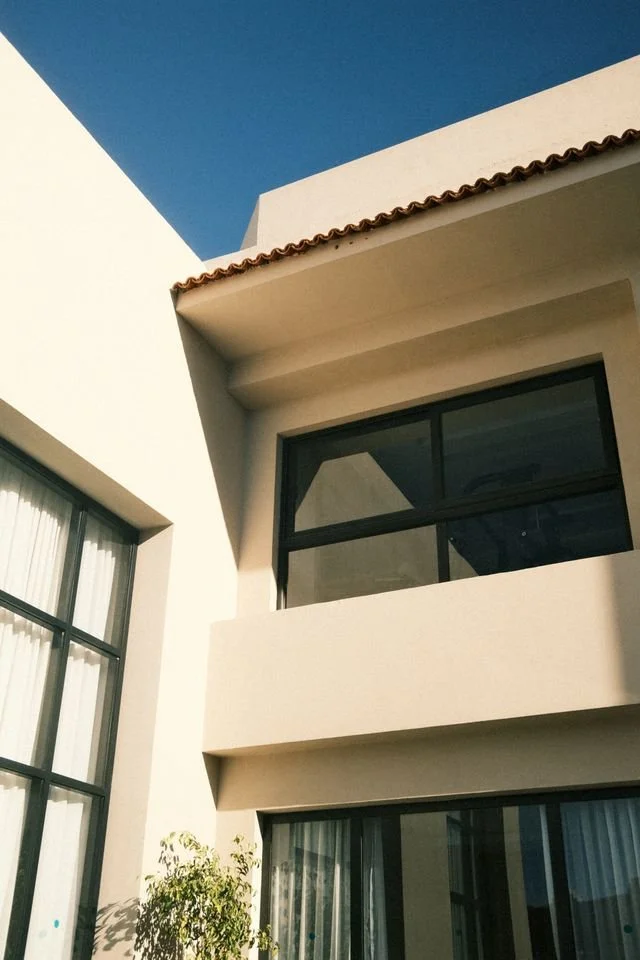
Most UK homes are built using traditional brick or stone walls beneath a pitched tile or slate roof. A property constructed differently may be described by a lender or valuer as “non-standard construction”.
This does not necessarily mean that the property is defective or unsuitable for mortgage purposes. However, the construction method can affect its durability, maintenance requirements, insurance, resale market and the number of lenders willing to accept it.
What is non-standard construction?
Examples can include:
Precast reinforced concrete (PRC)
Steel-framed houses
Timber-framed properties
Large-panel systems
Modular and prefabricated homes
Cob, wattle and daub or other traditional materials
Unusual roof coverings, including thatch
Properties incorporating substantial amounts of glass, timber or other unconventional materials
Some construction types are widely accepted, particularly modern timber-frame systems. Others may be considered only by specialist lenders or rejected altogether.
The precise construction system matters
It is rarely enough to describe a property simply as “concrete” or “steel framed”. There are numerous named construction systems, each with its own history and potential defects.
Some post-war concrete homes were formally designated defective under housing legislation. A property of this type may be mortgageable if it has been repaired under an approved scheme, but the lender is likely to require a valid PRC repair certificate and confirmation that the work covered the complete property.
An alteration, extension or adjoining property that has not been repaired correctly can still cause difficulties.
Valuation and supporting evidence
The lender’s valuer will consider the construction method, condition, remaining lifespan and demand from future buyers. Different lenders and valuers can reach different conclusions about the same property.
Further evidence may include:
A structural engineer’s report
Details of the original construction system
Building Regulations approvals
Warranties or guarantees
A PRC repair certificate
Records of structural repairs or maintenance
Confirmation that suitable buildings insurance is available
Comparable sales of similarly constructed properties
A satisfactory structural report does not oblige every lender to accept the property, but it can help a specialist lender understand and price the risk.
Deposit, insurance and resale
A lender may restrict the maximum loan-to-value or require a larger deposit. It will also need to be satisfied that the property can be insured throughout the mortgage term.
Future saleability should be considered carefully. A property may appeal to buyers but remain difficult to mortgage, reducing the number of potential purchasers. Planned alterations can also require specialist advice, as drilling, removing panels or changing the external walls may affect the structure.
Finding the right lender
Non-standard construction criteria vary substantially. A decline from one lender does not necessarily mean the property is unmortgageable, but applying without identifying the exact construction type can lead to unnecessary valuations and costs.
An experienced specialist mortgage broker can review the property information before application, identify lenders familiar with the construction system and establish what reports or certificates will be required.
Frequently asked questions.
Every client and every mortgage is different, but there are some questions we are asked regularly.
From affordability and deposits to complex income, expat mortgages and specialist property finance, our FAQs explain how different lenders may approach different circumstances.
See how we’ve helped….
Read our perspective….